Nov Back to list
Hard Seal Gate Valve Performance Analysis
In industrial piping systems, the ability to achieve a complete, leak-proof shut-off is not just a matter of efficiency, but a critical safety requirement. When handling high-pressure fluids or hazardous gases, the margin for error is virtually zero, necessitating components that can withstand extreme mechanical stress without compromising their seal.
Modern engineering has shifted toward hard-seal technology to combat the wear and tear associated with abrasive media and thermal cycling. Unlike soft seals, which may degrade over time, hard-seal configurations utilize precision-machined metal surfaces to create a durable barrier, significantly extending the service interval of the installation.
Understanding the technical nuances of the gate valve is essential for engineers designing petrochemical, metallurgy, and water treatment plants. By analyzing the intersection of material science and mechanical design, operators can optimize flow control and minimize operational downtime.
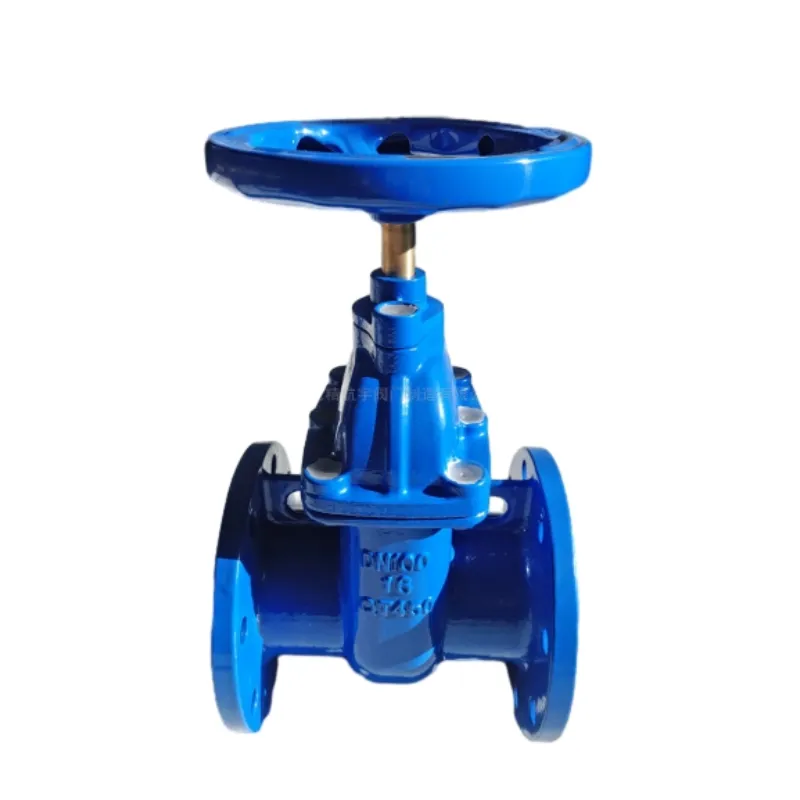
Hard Seal Fundamentals in Valve Engineering
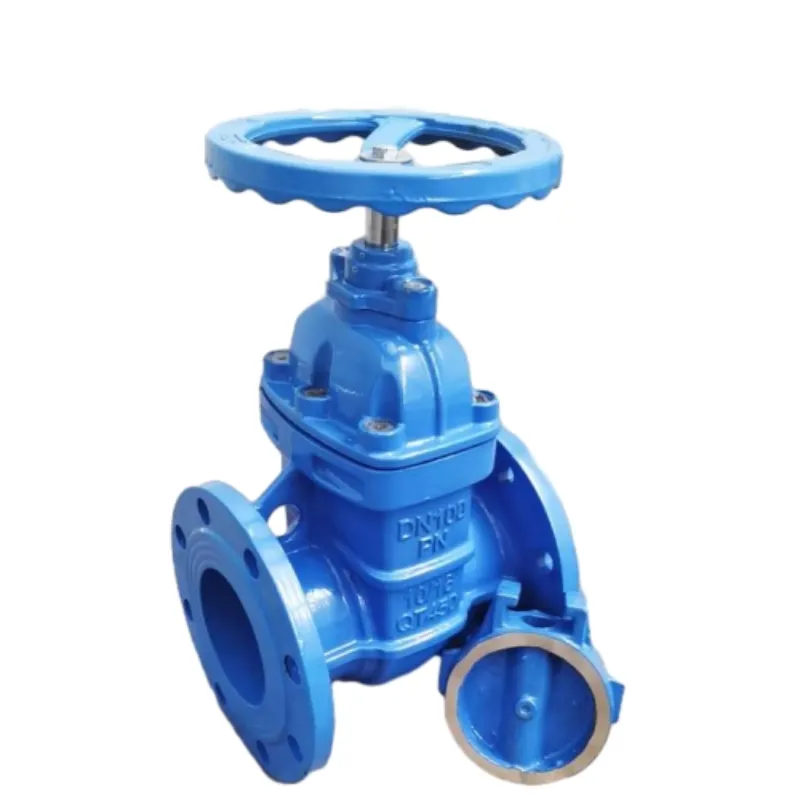
The fundamental purpose of a hard seal is to provide a metal-to-metal contact surface that remains stable under extreme temperatures and pressures. In a gate valve, this is achieved by machining the gate (wedge) and the seat to incredibly tight tolerances, ensuring that when the valve is closed, the two surfaces mate perfectly to block the flow.
Unlike flexible seals, hard seals rely on the hardness and corrosion resistance of materials like stainless steel, bronze, or specialized alloys. This approach eliminates the risk of "blow-out" or thermal degradation that typically plagues elastomeric seals in high-heat environments, such as those found in thermal power plants or petrochemical refineries.
Core Design Logic and Components
A high-performance valve assembly integrates several key metallurgical choices. The valve body, often cast from ductile iron or cast iron, provides the structural integrity needed to contain internal pressures up to PN25. The internal "wedge-type elastic gate" is a critical design element; it allows for slight adjustments during closing to ensure a tight seal even if there is minor thermal expansion of the piping.
Precision is further enhanced through surface treatments. For instance, applying nitriding to the valve stem increases its resistance to scratches and wear, while quenching and tempering optimize the internal grain structure of the metal. This ensures that the stem does not deform under the torque required to open or close the valve in a high-pressure environment.
Operation modes are tailored to the installation site. While manual handwheels are standard for infrequent operation, gear boxes, pneumatic actuators, and electric motors provide the necessary automation for complex systems. These drive mechanisms must be installed according to strict manuals to avoid stem misalignment, which could compromise the hard seal's effectiveness.
The Hard Seal Advantage vs. Soft Seals
The primary trade-off between hard and soft seals involves the balance between initial tightness and long-term durability. Soft seals (Teflon, Rubber) provide an immediate, bubble-tight seal but are susceptible to "cold flow" and chemical erosion, making them unsuitable for temperatures exceeding 200°C.
Hard seal technology prioritizes longevity and thermal stability; by utilizing hard-facing materials on sealing surfaces, these valves can operate effectively from -29°C up to 425°C, significantly reducing the frequency of replacements in aggressive industrial media.
Moreover, hard seals offer superior flow characteristics. Because the sealing surfaces are less prone to being "brushed" or eroded by the medium, the internal geometry remains consistent over thousands of cycles. This prevents the gradual increase in pressure drop that often occurs as soft seals deform or tear.
Performance Index by Operational Factor
Evaluating the suitability of a hard seal gate valve requires looking at a relative index of performance. Key metrics include sealing reliability, wear resistance, thermal stability, and ease of maintenance. In environments with high particulate matter, wear resistance becomes the dominant factor in determining the valve's lifecycle.
When analyzing these factors, it becomes evident that hard seals outperform soft alternatives in almost every category except for ultra-low-pressure, non-corrosive water applications where a soft seal's simplicity is a cost advantage. For professional industrial use, the reliability index of metal-to-metal seating is the gold standard.
Figure 2. Hard Seal Performance Relative Index
Strategic Application Scenarios
In a typical petrochemical plant, valves are subjected to aggressive chemical solvents and extreme temperature fluctuations. Here, the use of ductile iron bodies combined with stainless steel valve seats is critical. The hard seal ensures that the medium is cut off completely during maintenance, preventing hazardous leaks that could lead to environmental contamination.
Similarly, in water treatment facilities handling large-diameter pipelines (up to DN2000), the low fluid resistance of a fully open gate valve is a major asset. It minimizes pressure drop and energy consumption, aligning with modern sustainability goals. In these settings, the wedge-type elastic structure prevents the valve from seizing, ensuring that operators can open or close the line with minimal effort.
Future Trends in Flow Control Technology
The industry is moving toward "smart" valve systems where hard-seal components are integrated with IoT sensors. These sensors monitor stem position and seal integrity in real-time, allowing for predictive maintenance rather than scheduled lubrication. This shift reduces the risk of unexpected failure and optimizes the lifespan of the valve.
Material science is also evolving, with the introduction of advanced coatings that further reduce friction and corrosion. While traditional bronze and stainless steel seats remain the standard, new composite hard-facings are being tested to handle even more aggressive acids and alkalis without losing their seal.
Furthermore, there is an increasing demand for automation. The integration of pneumatic and electric actuators is no longer an option but a requirement for high-efficiency plants. The focus is shifting toward reducing the "opening force" through better mechanical leverage and thrust bearings, making the operation safer and faster.
Selection Framework for Industrial Buyers
Choosing the correct valve requires a systematic evaluation of the operational environment. Buyers must first define the medium (oil, gas, or water) and its temperature range. A mistake in material selection—such as using cast iron where ductile iron is required—can lead to catastrophic brittle failure under pressure surges.
The pressure rating (e.g., PN16) must be matched to the system's maximum allowable operating pressure. Additionally, the size range from DN40 to DN300 should be selected based on the required flow rate to avoid excessive turbulence or cavitation.
Finally, the maintenance cycle should be considered. For valves that are operated frequently, a higher grade of stem lubrication and the inclusion of thrust bearings are non-negotiable requirements to prevent premature wear of the sealing surfaces.
| Environmental Factor | Material Requirement | Critical Parameter | Recommended Configuration |
|---|---|---|---|
| High Temperature | Stainless Steel / Alloy | Up to 425°C | Hard Seal + Nitrided Stem |
| Corrosive Media | Bronze / SS Seats | Chemical Compatibility | Hard Seal + Ductile Iron Body |
| High Pressure | Ductile Iron | PN16 to PN25 | Hard Seal + Gear Box Actuator |
| Frequent Cycling | Hard-faced Alloy | Friction Coefficient | Thrust Bearing + Auto-Drive |
| Large Diameter | Cast/Ductile Iron | DN300 and above | Elastic Wedge + Pneumatic |
| General Water Use | Cast Iron | PN6 to PN16 | Manual Lever + Hard Seal |
Questions & Answers
A hard seal refers to a metal-to-metal sealing interface where the gate and seat are precision-machined from hard materials like stainless steel or bronze. Unlike soft seals that use rubber or polymers, hard seals rely on the physical mating of two rigid surfaces to stop flow. This makes them ideal for high-temperature, high-pressure, and corrosive environments where soft materials would melt, degrade, or be eroded by the fluid.
Choosing the correct DN (Nominal Diameter) size depends on your pipe's inner diameter and the required flow rate. For example, if you have a 4-inch pipe, a DN100 valve is appropriate. You must also evaluate the allowable pressure (e.g., PN16) and the flow velocity to ensure the valve doesn't create an excessive pressure drop or cause turbulence that could damage the hard seal over time.
Yes, they are highly compatible with automation. While manual handwheels are common, these valves can be equipped with gear boxes, pneumatic actuators, or electric motors. Automation is particularly recommended for large-diameter valves or those in hazardous areas where manual operation is impractical. Ensure the actuator's torque rating matches the valve's operating pressure to avoid damaging the stem.
Maintenance is significantly lower than for soft seals, but not non-existent. The primary requirement is regular lubrication of the valve stem, especially if the valve is cycled frequently; we recommend at least once a month. Additionally, periodic inspections of the handwheel and transmission mechanisms are necessary to prevent collisions or mechanical failures. Proper vertical installation is also key to preventing stem sagging.
Hard seals utilize materials with low thermal expansion coefficients and high melting points. By using stainless steel or specialized alloys, these valves can operate effectively from -29°C to 425°C. The "elastic wedge" design helps accommodate the natural expansion of the metal, ensuring that the seal remains tight even as the temperature fluctuates, which prevents the leakage common in soft-seal valves under thermal stress.
Professional hard seal gate valves are manufactured to meet or exceed global standards such as ANSI, API, and ASME. For instance, products certified by CE pressure equipment standards undergo rigorous shell tests (typically 1.5 times the working pressure) and seat tests (1.1 times) to ensure they can safely handle the rated load without leakage or structural failure.
Final Thoughts
The transition toward hard-seal technology reflects a broader industrial demand for reliability and reduced lifecycle costs. By eliminating the vulnerabilities of soft polymers and leveraging the strength of precision-engineered metals, the hard seal gate valve has become an indispensable tool in high-stakes environments like petrochemical and thermal power plants.
For procurement teams and engineers, the focus must remain on the synergy between material choice and application requirements. When selecting a gate valve, prioritizing certified pressure ratings and thermal stability will ensure long-term operational safety and system efficiency.
- Hard Seal Gate Valve Performance Analysis
- Butterfly Valve Technical Performance Analysis
- Precision Bar Level how to replace a toilet fill valve Performance Analysis
- Y Type Strainer Water Valve Technical Analysis
- Ball Valve what is a ball valve Mechanical Principles and Industrial Performance Analysis