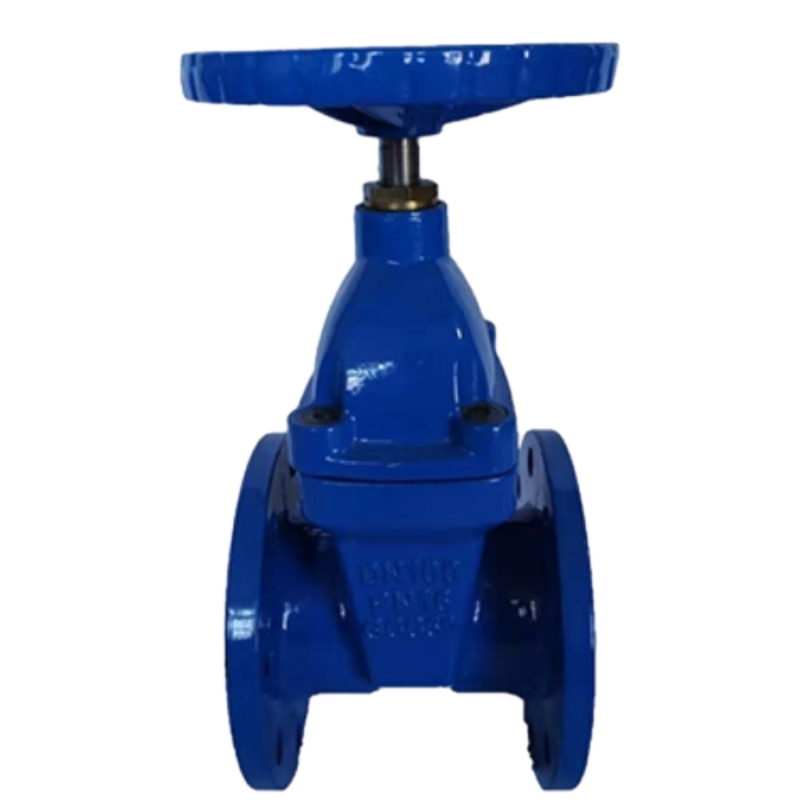

Soft Seal Gate Valve
Introducing the GGG50 Gate Valve for effective flow control in plumbing systems. Available in sizes DN50 to DN600, this flanged socket soft-seal gate valve is built for water applications and engineered to meet various industry standards. With a reliable soft-seal design for minimal leakage, durable materials for long service life, and smooth operation for easy opening and closing, it delivers stable performance under varying pressures.
Product Description
Type: |
Gate Valve |
Connection: |
Flanged Ends |
Temperature: |
0–80℃ |
Pressure: |
PN10/16 |
Material: |
Ductile Iron QT450-10 |
Media: |
Water, Gas, Oil, etc. |
Structure: |
Control |
Port Size: |
DN50 |
Highlights: |
DN50 Soft Seal Gate Valve Flanged Socket Soft Seal Gate Valve Water GGG50 Gate Valve |
||
1 Flat-bottom seat
The traditional gate valve is often exposed to water after pipe flushing due to external objects such as stones, wooden blocks, cement, paper scraps, and other debris that accumulate in the bottom of the valve groove. This can prevent proper closure and lead to water leakage. The soft seal gate valve uses a flat-bottom design aligned with the water pipe, helping reduce debris build-up and keeping flow unobstructed.
2 Whole package
The valve uses high-quality rubber throughout the inside. The bonding process is outsourced, and domestic first-class rubber vulcanization technology is applied. This vulcanization ensures accurate valve geometry, and provides strong adhesion between the rubber and ductile iron for reliable retention. The design also offers good elastic memory.
3 Corrosion protection
The valve body is coated with powder epoxy resin to help prevent corrosion and rust. It can be used in sewage systems. Compared with traditional cast iron gate valves, which were prone to damage due to impacts, collisions, or debris overlap, the use of nodular cast iron significantly reduces such issues.
4 Three “O”-type sealing rings
The valve stem uses a three “O”-type ring seal design. This helps reduce friction resistance when operating the valve, significantly reduces the risk of water leakage, and supports replacement of the sealing ring without halting construction.
5 Suitable for potable water (raw water)
As the valve body is coated with non-toxic epoxy resin, the internal and external surfaces of the gate valve are fully covered with rubber to help prevent rust or corrosion.
6 Precision cast valve body
The valve body is precision cast. The accurate geometry ensures effective sealing without additional finishing on the north side of the valve body.
7 Lightweight design
The body is made of ductile casting. Compared with traditional gate valves, the weight is reduced by approximately 20% to 30%, which makes maintenance more convenient.
What is a Soft Seal Gate Valve
A Soft Seal Gate Valve is a critical component in various industrial applications, providing an effective solution for controlling the flow of liquids and gases. Unlike traditional gate valves that typically rely on metal-to-metal seating surfaces, a soft seal gate valve incorporates a soft sealing material—usually rubber or an elastomer—to enhance sealing performance. This design supports a tighter shut-off, reducing the risk of leakage and improving operational efficiency.
The primary advantage of a Soft Seal Gate Valve is its higher performance level versus conventional gate valves. The soft sealing material accommodates minor irregularities on the valve seat, improving overall sealing effectiveness. This makes soft seal gate valves particularly suitable for applications where tight shut-off is essential, such as water supply systems, chemical processing plants, and wastewater treatment facilities.
Additionally, Soft Seal Gate Valves offer versatility and ease of operation. Available in various sizes and configurations, they can be adapted to different piping systems. The straightforward design enables quick installation and maintenance, helping operators minimize downtime. Furthermore, the absence of hard metallic contact between sealing surfaces helps reduce wear and extend service life.
In summary, the Soft Seal Gate Valve is an excellent choice for many fluid handling applications. Its soft sealing technology improves sealing performance, reduces leakage, and enhances system reliability. Whether you are involved in manufacturing, construction, or facility management, understanding the benefits of a Soft Seal Gate Valve is important for optimizing operations and supporting long-term performance.
The Differences Between Soft Seal Gate Valve and Hard Seal Gate Valve
In industrial piping systems, valves play a key role in regulating fluid flow. Among the various types of valves available, soft seal gate valves and hard seal gate valves are commonly compared based on their distinct characteristics and intended applications.
What is a Soft Seal Gate Valve?
A Soft Seal Gate Valve uses a resilient material—typically rubber or an elastomer—as the sealing element between the valve body and the disc. This design enables a tight seal when the valve is closed, helping prevent fluid leakage. Soft seal gate valves are generally preferred for applications involving water, wastewater, or low-pressure systems where high leak-proof performance is required.
Key Features of Soft Seal Gate Valves:
1. Flexibility: The soft sealing material conforms to the seat when closed, ensuring a tight seal.
2. Lower operating torque: The design requires less force to operate compared with hard seal valves, making them easier to use.
3. Suitable for various fluids: These valves can be used effectively across diverse applications, particularly for non-corrosive fluids.
What is a Hard Seal Gate Valve?
In contrast, a Hard Seal Gate Valve is designed with a hard sealing surface, typically made from metal or ceramic. This valve type features a more rigid structure, offering higher resistance to pressure and temperature fluctuations. Hard seal gate valves are commonly used in applications involving high-pressure fluids, corrosive environments, or where a robust sealing solution is required.
Key Features of Hard Seal Gate Valves:
1. Durability: The hard sealing surface provides improved resilience against abrasive and corrosive materials.
2. High-pressure capability: These valves can withstand considerable pressure, making them suitable for heavy-duty applications.
3. Longevity: Due to their tough materials, hard seal gate valves tend to offer longer service life in harsh environments.
Major Differences Between Soft Seal Gate Valve and Hard Seal Gate Valve
1. Sealing mechanism: The key difference is the sealing mechanism. Soft seal gate valves use elastic materials for sealing, while hard seal gate valves use metallic or ceramic surfaces, resulting in fundamentally different performance and intended use.
2. Pressure and temperature tolerance: Hard seal gate valves are generally used in high-pressure and high-temperature applications, whereas soft seal gate valves are best suited for lower-pressure conditions.
3. Maintenance and cost: Soft seal gate valves often require more frequent maintenance and seal replacements due to wear of the sealing material. By contrast, hard seal gate valves typically have lower maintenance requirements, but may involve a higher initial cost.
4. Flow characteristics: Soft seal gate valves tend to provide smoother flow characteristics for non-abrasive fluids, while hard seal gate valves can better manage heavy-duty and high-viscosity fluids due to their construction.
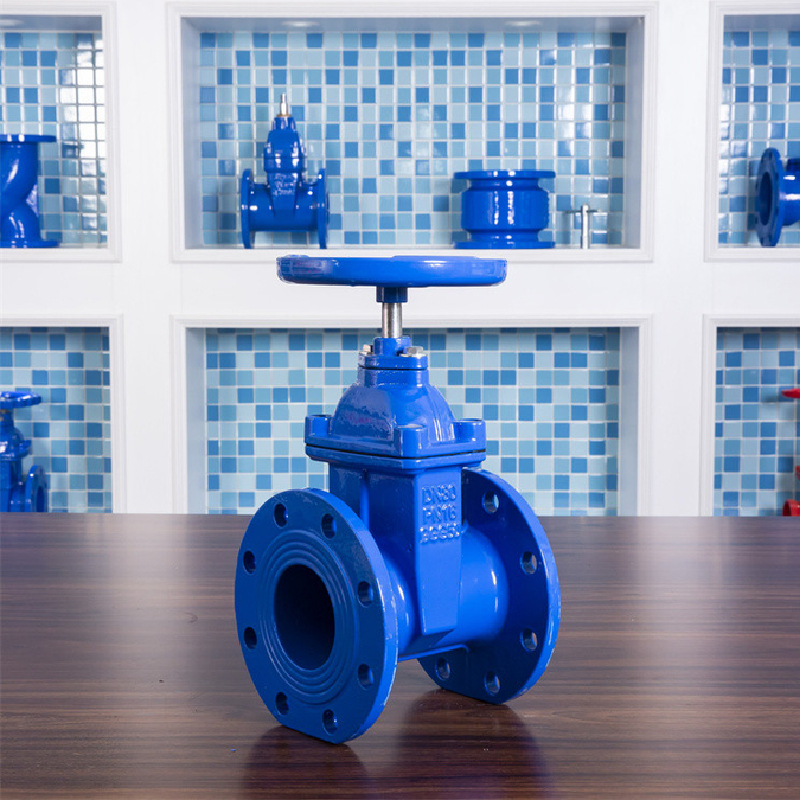
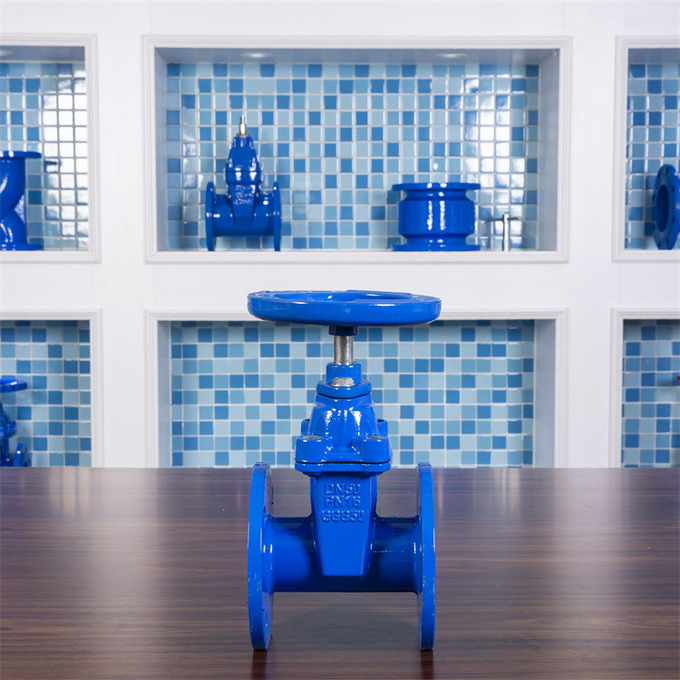
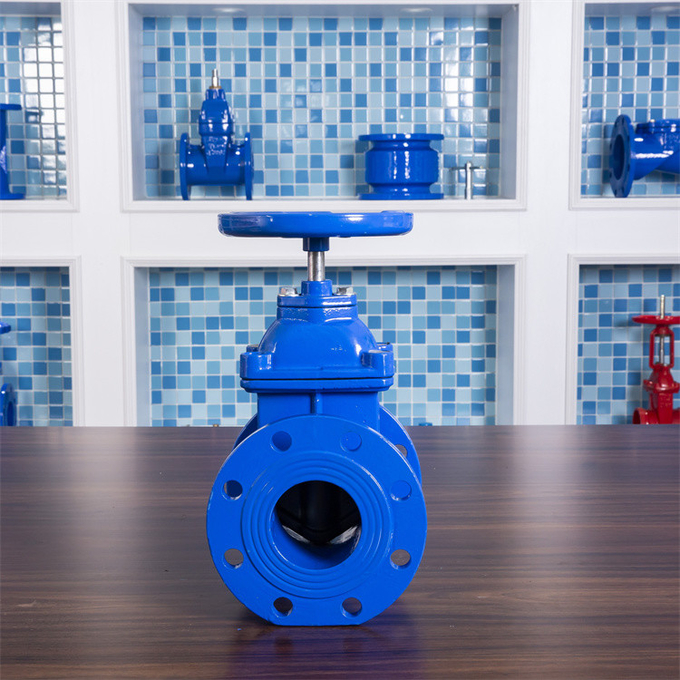
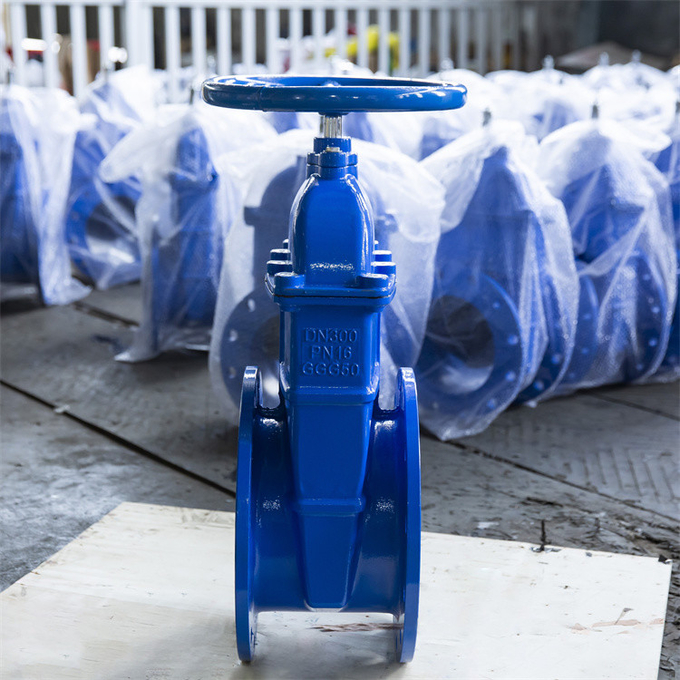
Product Detail Drawing
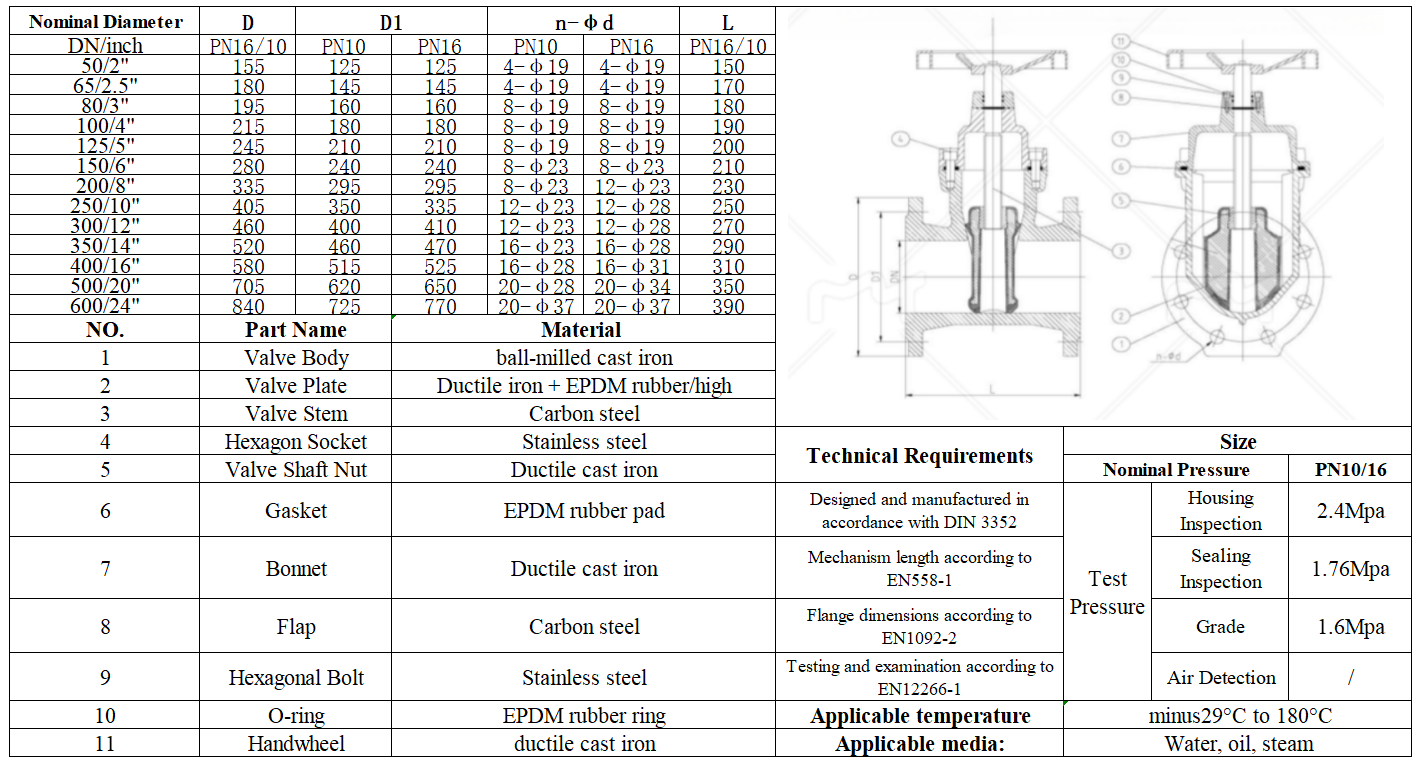
Product Parameter
Soft Seal Gate Valve FAQs
Q: How long is your delivery time?
A: Generally, it is 15–30 days. If the goods are in stock for 5 days, or if the required material is not in stock, delivery requires an additional 10 days, depending on quantity.
Q: Do you provide samples? Are they free or extra?
A: Yes, we can offer samples free of charge, but the customer is responsible for freight costs.
Q: What are your payment terms?
A: Payment ≤ 1000 USD: 100% in advance. Payment ≥ 1000 USD: 30% T/T in advance, balance before shipment.
Q: What is a Soft Seal Gate Valve, and what are its primary uses?
A: A Soft Seal Gate Valve is a valve used to control the flow of liquids and gases in various piping systems. It is designed with a flexible sealing element to provide a tight shut-off and help minimize leakage. This valve is suitable for applications such as water supply systems, sewage treatment, and industrial processes where reliable sealing is essential. Its versatility and efficiency make it a popular choice for both commercial and residential installations.
Q: What materials are used in the construction of the Soft Seal Gate Valve?
A: Our Soft Seal Gate Valve is manufactured using high-quality materials, including robust cast iron or ductile iron for the body, and a soft sealing component made from durable elastomers or Teflon. These materials are selected for their excellent corrosion resistance, durability, and ability to withstand varying temperatures and pressures, ensuring long-lasting performance in demanding environments.
Q: How do I know if this valve is suitable for my system?
A: To confirm suitability, consider the type of fluid to be transported (liquid or gas), the operating pressure and temperature, and the required sealing performance. If you need further support, please consult your system engineer or contact our customer support team for recommendations tailored to your specific application.
Q: Is installation of the Soft Seal Gate Valve difficult?
A: Installation of the Soft Seal Gate Valve is generally straightforward and can be completed by professionals familiar with plumbing or piping systems. It typically requires standard tools and follows common valve installation practices. For best results and optimal performance, we recommend referring to the installation manual provided with the valve or using a qualified technician.
Q: What maintenance is required for the Soft Seal Gate Valve?
A: Regular maintenance helps ensure the longevity and proper operation of the Soft Seal Gate Valve. We recommend periodically checking for leaks or signs of wear. Cleaning the valve and the surrounding area can help prevent debris build-up that may affect performance. In addition, exercise the valve every few months to help keep the sealing elements flexible. For any issues beyond routine maintenance, please contact our technical support team.
Q: Can the Soft Seal Gate Valve handle high pressure?
A: Yes. Our Soft Seal Gate Valve is designed to handle a range of pressures and may be suitable for high-pressure systems. However, please verify the specific pressure ratings stated in the product specifications to ensure the valve meets your requirements. If you have a unique application, feel free to contact us for more detailed information and guidance.