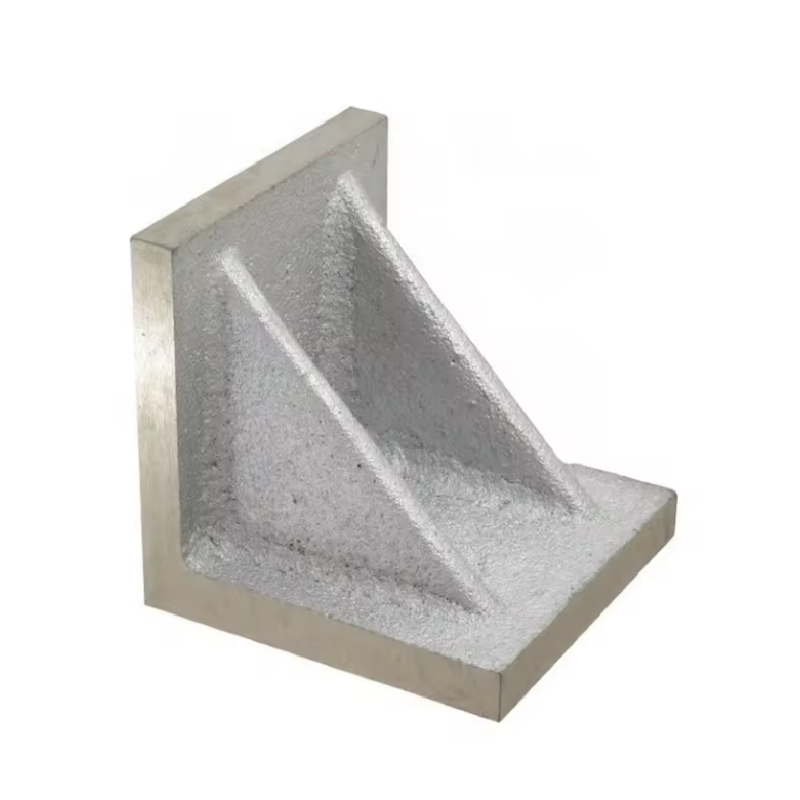

Cast Iron Angle Plates
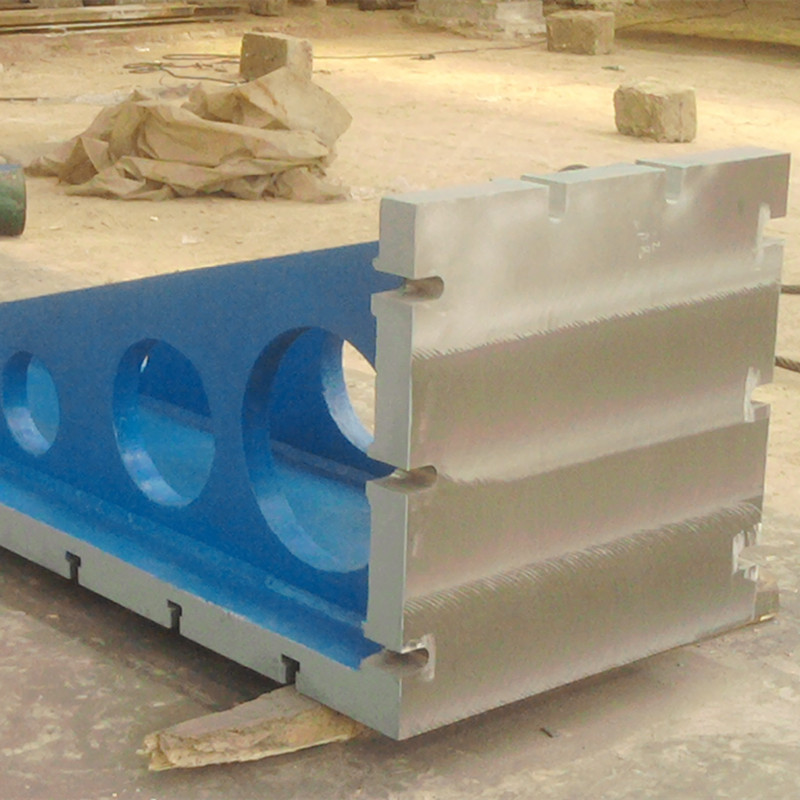
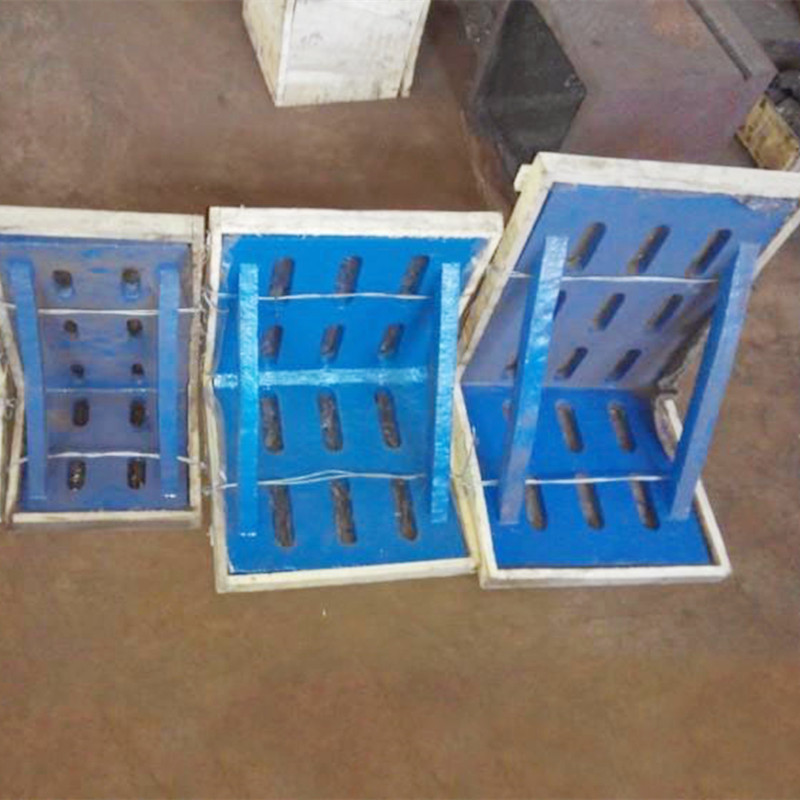
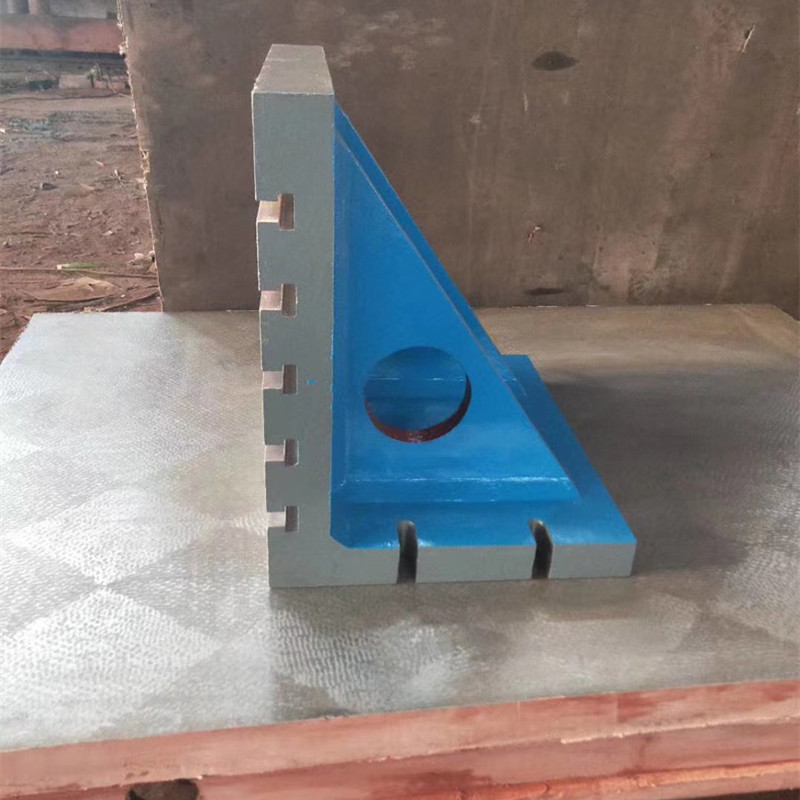
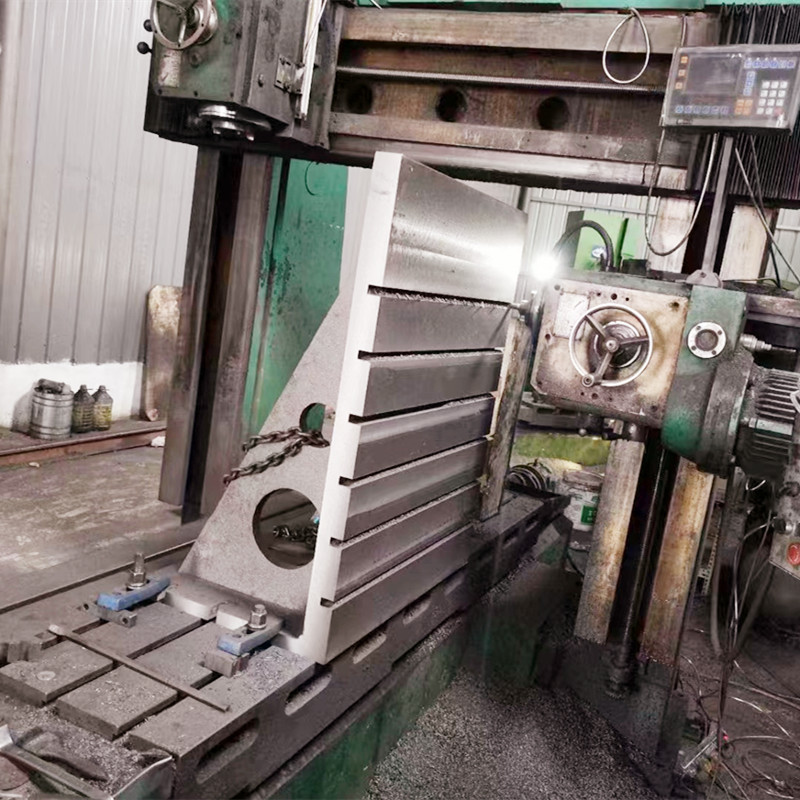
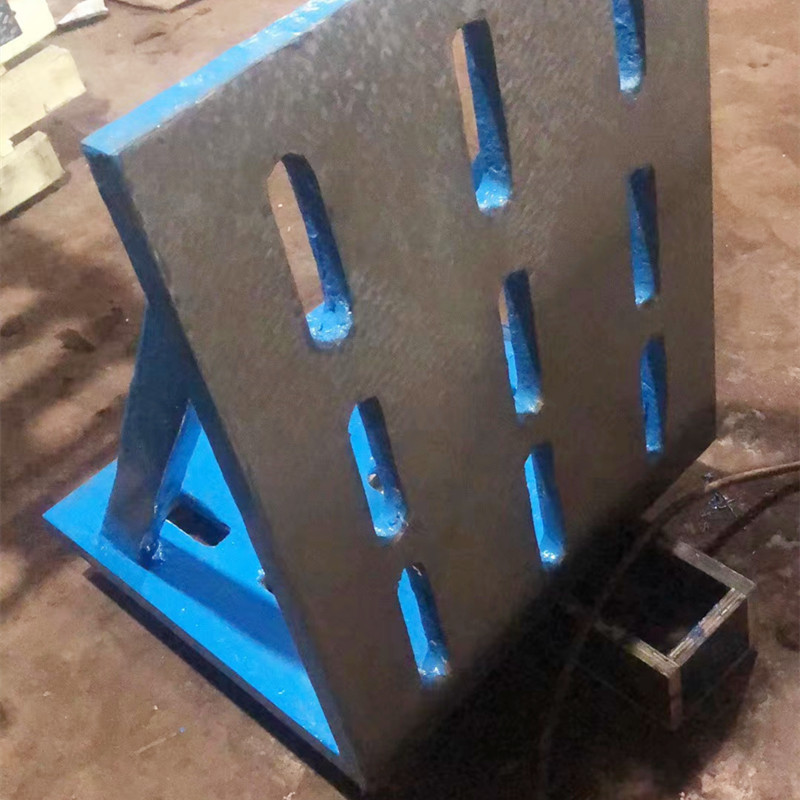
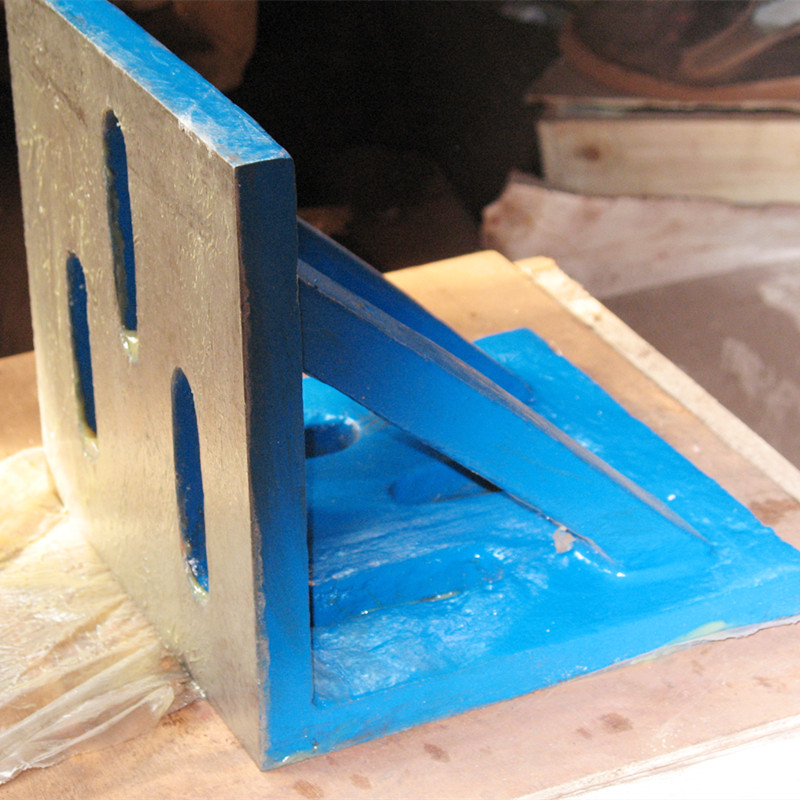
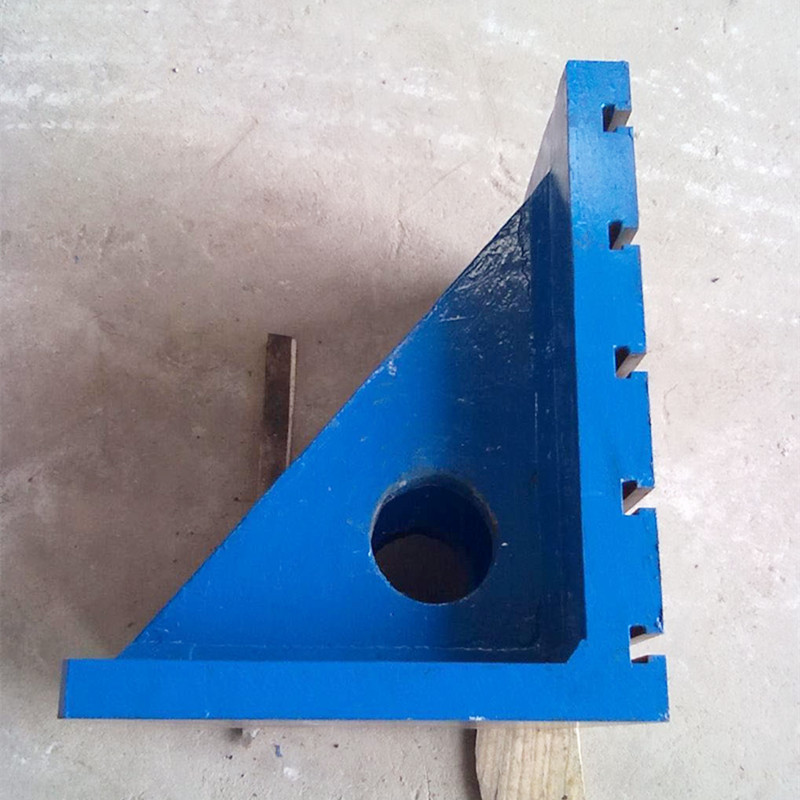
Cast iron angle plates are widely used for fabricating fixtures and for checking squareness and parallelism of surfaces. All machined faces are square and parallel.
Product Parameter
Product code: cast iron bent plate, T-groove cast iron bent plate, inspection cast iron bent plate.
The advantages of cast iron bending plates include high precision, good wear resistance, and easy maintenance.
Cast iron bending plate specifications: 200 × 200 to 800 × 600 (millimeters). Precision grades: Level 0, Level 1, Level 2, Level 3.
Cast iron bent plates are manufactured in accordance with the JB6092-85 standard and produced from HT200–HT300 material. The working surface is finished using scraping and grinding technology, and is used for component inspection and clamping during mechanical processing.
Application of cast iron bending plate: for inspecting 90° angles of workpieces; checking the mutual perpendicularity of related surfaces of components during equipment maintenance; and commonly used for marking by fitters. It is also widely used for inspection, installation, and vertical surface inspection of machine tools, and for checking the verticality of workpieces on cast iron flat plates. Suitable for high-precision mechanical and instrument inspection, including inspection of non-verticality between machine tools.
Place of Origin: Hebei, China
Warranty: 1 year
Customized Support: OEM, ODM, OBM
Brand Name: Storan
Model Number: 2012
Material: Customized
Accuracy: Customized
Operation Mode: Customized
Item Weight: Customized
Capacity: Customized
Product Name: Cast Iron Angle Plate
Material: HT200–300
Size: Customized
Hardness of Working Surface: HB160–240
Foundry Process: Resin sand casting
Structure: Customized
Painting: Primer and face paint
Precision Grade: 1–3
Working Temperature: (20±5) ℃
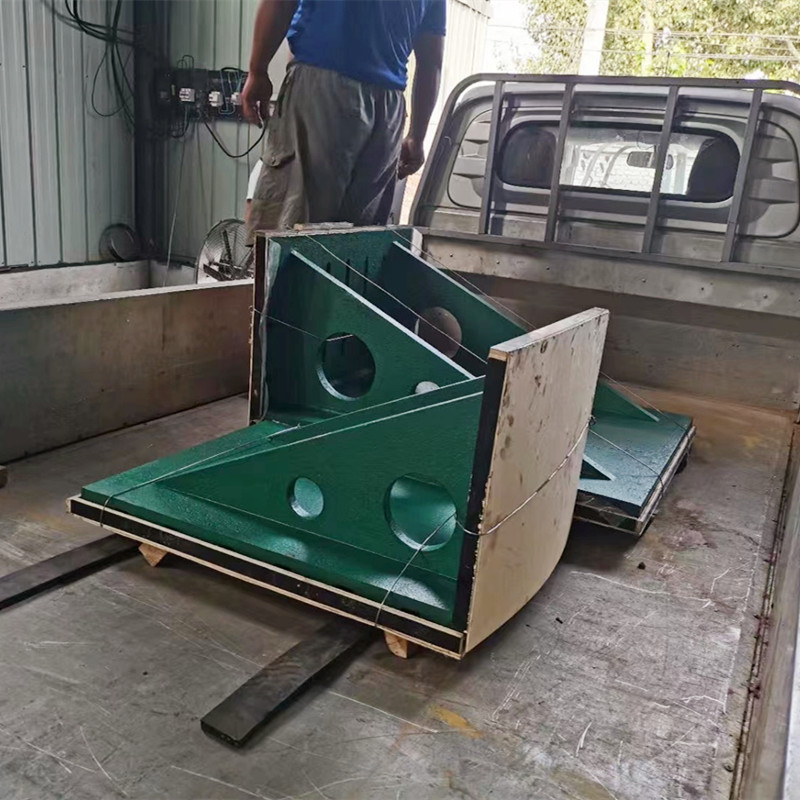
Packaging: Plywood box
Lead time
|
Quantity (pieces) |
1 - 1200 |
> 1200 |
|
Lead time (days) |
30 |
To be negotiated |
Product Specifications
Material: HT200–300
Specification: Customized
Hardness of the working surface: HB160–240
Surface treatment: Scraping, ground finish, or machined finish
Foundry process: Resin sand casting
Painting: Primer and face painting
Surface coating: Working surface covered with pickling oil; non-working surface covered with anticorrosion paint
Working temperature: (20±5) ℃
Precision grade: 1–3
Packaging: Plywood box
Product Parameter
|
No. |
Width × Length (mm) |
Straightness or Flatness of Working Surface |
Parallelism Between Both Working Surfaces |
||||
|
Precision Degree (μm) (reference values) |
|||||||
|
1 |
2 |
3 |
1 |
2 |
3 |
||
|
1 |
500 × 45 |
6 |
12 |
|
9 |
18 |
|
|
2 |
750 × 50 |
8 |
15 |
|
12 |
25 |
|
|
3 |
1000 × 55 |
10 |
20 |
|
15 |
30 |
|
|
4 |
1200 × 60 |
12 |
24 |
|
18 |
36 |
|
|
5 |
1500 × 60 |
15 |
30 |
|
20 |
40 |
|
|
6 |
2000 × 80 |
20 |
40 |
80 |
27 |
54 |
|
|
7 |
2500 × 80 |
25 |
50 |
100 |
33 |
65 |
130 |
|
8 |
3000 × 100 |
|
60 |
120 |
|
78 |
156 |
Low-Maintenance Design of Cast Iron Angle Plates: HB160-240 Hardness for Longevity
In industrial fixturing, cast iron angle plates are designed to withstand regular use with minimal upkeep. Storan uses HT200–HT300 gray cast iron with a working-surface hardness of HB160–240 to support stable performance and long service life in inspection and clamping applications. Key design points include:
1. Hardness for Wear Resistance
The working-surface hardness (HB160–240) helps improve wear resistance and supports reliable use in mechanical inspection and clamping.
2. Precision Surface Finishing
The working surface is finished using scraping and grinding technology. Depending on requirements, surface treatment can also include a ground finish or machined finish, supporting accurate component inspection and stable fixturing.
3. Corrosion Protection by Surface Coating
To support operation in workshop environments, the working surface is coated with pickling oil, and the non-working surface is protected with anticorrosion paint.
4. Application-Focused Performance
Cast iron angle plates are suitable for checking 90° squareness, verifying perpendicularity of related surfaces, and supporting inspection, installation, and vertical surface inspection of machine tools and cast iron flat plates.
Choose Storan’s cast iron angle plates for dependable precision and practical low-maintenance use. Built from HT200–HT300 material and finished to specification, they are suitable for industrial inspection and machining support where consistent performance matters.
Cast Iron Angle Plate Applications: Fixture Making & 90° Squareness Check
In precision manufacturing, cast iron angle plates provide stable fixturing bases and support geometric accuracy, particularly where 90° squareness and perpendicularity are important. Storan’s cast iron angle plate solutions are intended for two main use cases: fixture making and squareness inspection.
1. Fixture Making: Reliable Bases for Machining
Cast iron angle plates are used as reference and clamping surfaces during mechanical processing. Finished with scraping and/or grinding technology, they support accurate positioning and component inspection during assembly and maintenance.
2. 90° Squareness Check: Verifying Mechanical Perpendicularity
Cast iron angle plates are used to inspect 90° angles of workpieces and to check the mutual perpendicularity of related surfaces during equipment maintenance. They are also used for vertical surface inspection of machine tools and to assess verticality on cast iron flat plates.
3. Industrial Use: Inspection, Installation, and Marking
In addition to fixture making, cast iron angle plates are commonly used for inspection, installation, and marking operations by fitters, and for non-verticality inspection between machine tools.
Storan’s cast iron angle plates help improve inspection reliability and support repeatable fixturing performance. They are designed for industrial use with HT200–HT300 material, working-surface hardness of HB160–240, and finishing methods aligned with the intended inspection and clamping requirements.
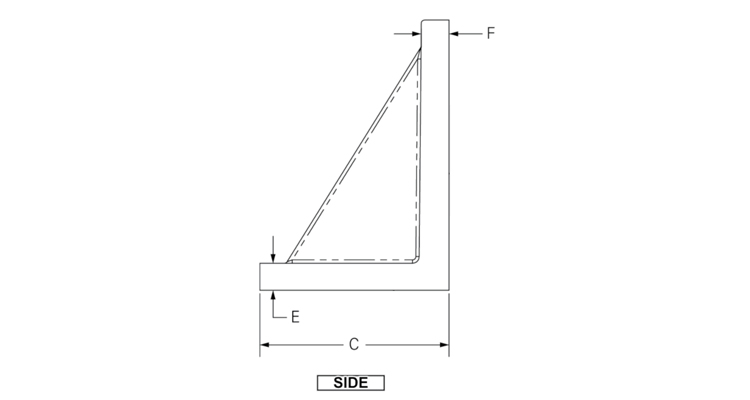
Product Detail Drawing